
A Clear Guide for Understanding These Substances Legal and Safety Considerations
From emergency medicine to cutting-edge psychiatric research, dissociative anesthetics for sale represent one of the most unique and closely studied classes of compounds in modern pharmacology. Characterized by their ability to distort sensory perception and induce a trance-like state of detachment from one’s immediate environment, these substances have transitioned from experimental laboratory findings to vital components of clinical healthcare.
What Are Dissociative Anesthetics?
Dissociative anesthetics are a subcategory of hallucinogens. Unlike classic psychedelics (such as LSD or psilocybin), dissociatives work primarily by interrupting the signals sent from the sensory organs to the conscious mind.
According to the Alcohol and Drug Foundation, this class of drugs alters a person’s perception of sight, sound, and self, often producing a feeling of being disconnected from one’s body (depersonalization) or physical surroundings (derealization).
Common examples of dissociatives include:
-
Ketamine: A rapidly acting anesthetic widely used in human surgery, pediatric emergency medicine, and veterinary care.
-
Phencyclidine (PCP): An early anesthetic developed in the mid-20th century, later discontinued for human medical use due to severe post-operative side effects.
-
Dextromethorphan (DXM): An active ingredient found in many common over-the-counter cough suppressants.
-
Nitrous Oxide: Often called “laughing gas,” commonly utilized in dentistry for mild sedation and pain management.
How Dissociatives Work | Is it Legal to Buy Dissociatives in the USA?
The legality of dissociative substances in the United States depends on the specific compound and its classification under federal and state law. Many dissociatives for sale such as PCP (phencyclidine) and DXM (dextromethorphan) at high doses are classified as controlled substances under the Federal Controlled Substances Act (CSA).
To understand how these substances function, we have to look at the chemistry of the brain. The primary mechanism of action for most dissociatives for sale involves the glutamate system.
Glutamate is the most abundant excitatory neurotransmitter released by nerve cells in your brain, It plays a major role in:
-
Cognitive function
-
Memory and learning
-
Pain perception
-
Emotional regulation
Buy dissociative anesthetics act as non-competitive antagonists at the N-methyl-D-aspartate (NMDA) receptors. By blocking these receptors, the drugs prevent glutamate from transmitting sensory information between the cerebral cortex and the deeper structures of the brain. This molecular block is what generates the characteristic “dream-like” state, profound pain relief, and sedation.
Safety, Risks, and Regulation
Despite their medical value, dissociative compounds for sale carry significant risks when used outside of supervised clinical environments.
Cognitive and Psychological Distress: High doses can cause intense panic, severe paranoia, and acute psychosis.
Physical Hazards: Because dissociatives impair coordination, motor control, and spatial awareness, users are at a high risk of accidental physical injury.
Long-Term Health Issues: Chronic misuse of ketamine is known to cause severe, painful urological damage, a condition clinically referred to as “ketamine bladder syndrome.”
Addiction and Tolerance: Repeated recreational use can lead to psychological dependence and physical tolerance, requiring larger doses to achieve the same effects.
Because of these risks, regulatory bodies class medical dissociatives like ketamine and PCP as controlled substances, ensuring they are administered only by qualified healthcare professionals in monitored environments.
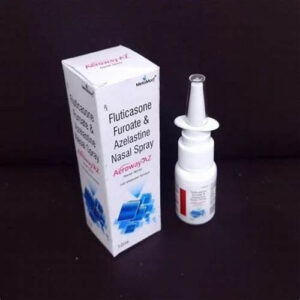
Dissociatives
Dissociatives
Dissociatives
Dissociatives
Dissociatives